Data Protection Policy

Define the customer-facing data-protection boundary clearly.

This page explains how VeridataOps approaches access control, encryption, tenant segregation, provenance, supplier controls, and shared responsibility without overstating deployment-specific guarantees.

Public host: https://veridataops.com. Use these pages for customer-safe evidence and policy review on the live marketing surface.

Define the customer-facing data-protection boundary clearly.

Objectives

Data protection goals on the public surface.

  • Collect and process only the data needed for the approved product purpose.
  • Restrict access by tenant, role, and operational need.
  • Protect credentials, secrets, and service configuration.
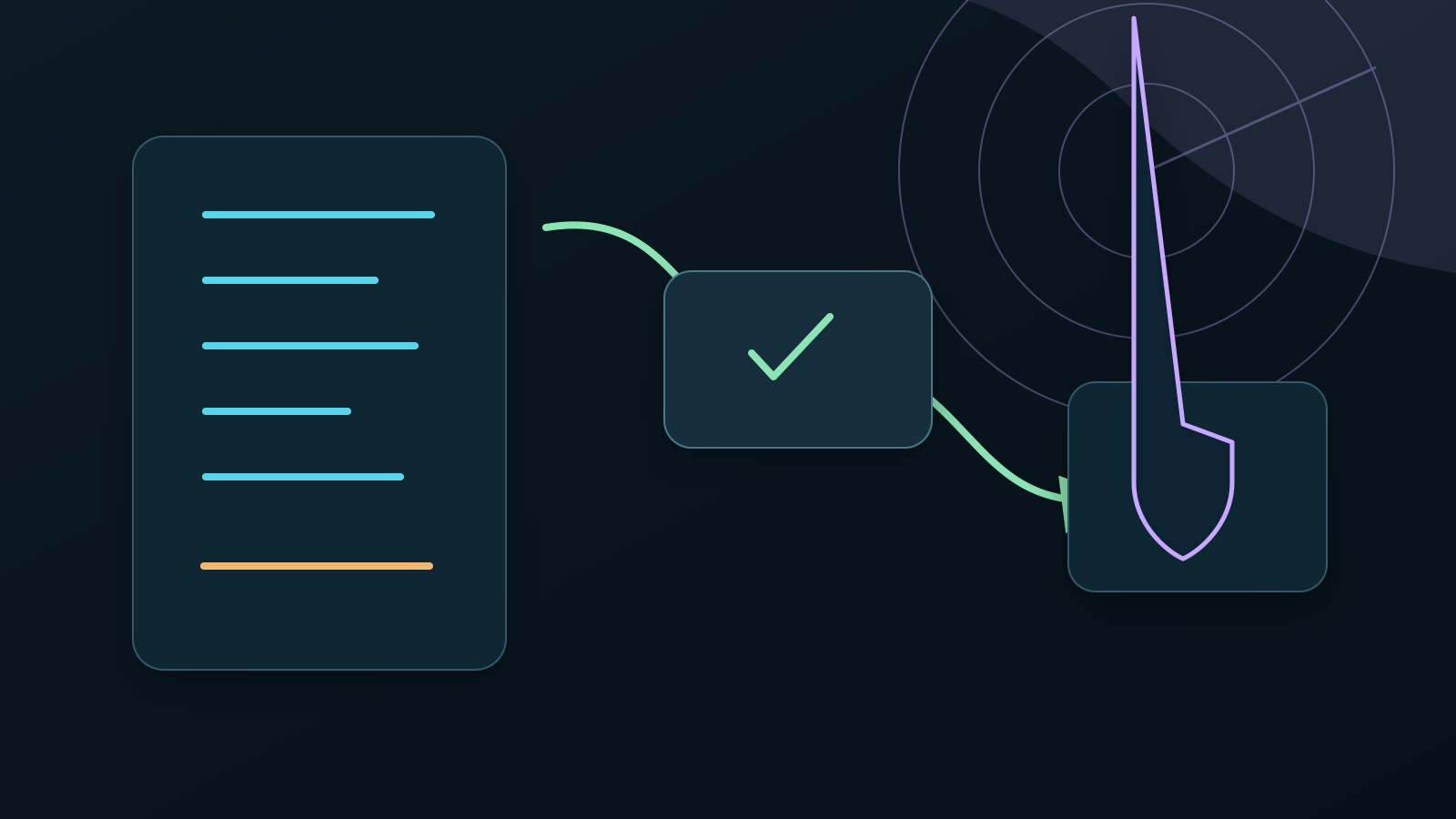
  • Preserve review, provenance, and evidence boundaries so customers can see what was collected, reviewed, and committed.
  • Keep customer-facing evidence and claim language aligned with current product behavior.

Control Areas

Customer-facing control areas.

Access control Tenant-aware access control, account roles, token handling, and administrative boundaries appropriate to the active deployment and package.
Encryption and secret handling Protected secret handling and encrypted storage paths where configured for the audited deployment.
Data segregation Tenant boundaries for accounts, reviews, current-estate records, and supporting evidence, backed by deployment-specific evidence for formal reviews.
Provenance and review integrity Clear separation between what was collected, what was reviewed, and what was committed or exported.

Shared Responsibility

Product controls do not remove operator responsibility.

VeridataOps responsibilities Customer or operator responsibilities
Product features, hosted-service controls, approved subprocessors, and customer-facing documentation. Source, collector, destination, credential, network, backup, retention, and local compliance decisions.
Routing product-level security, privacy, and support issues to the right review path. Validating whether a self-hosted or OEM environment meets local policy or regulatory requirements.

Next Step

Use the live public surface as the review artifact.

When a customer or reviewer needs product-safe wording, point them at these URLs on veridataops.com and then attach deployment-specific evidence separately.

Talk to an Implementation Reviewer

Next Step

Pair this doc page with proof, fit, and one scoped follow-up.

A documentation page should answer its question and then route the visitor to the proof artifact, coverage page, or reviewer path that finishes the evaluation.

Proof

Inspect the corresponding artifact Use the proof library to connect the written explanation to a real product surface or public-safe sample. Browse Proof Library

Coverage

Validate support and caveats Use the coverage pages to confirm what is modeled already and where scope still matters. Open Coverage Hub

Contact

Route the next technical question Escalate to an implementation reviewer only after this page made the remaining blocker explicit. Talk to an Implementation Reviewer